May 20, 2026
Your home functions as a complex network of wires and connections, all originating from a single, vital hub known as the electrical panel. While most homeowners rarely think about what goes on behind that gray metal door, understanding the mechanics of your circuit breakers is essential for maintaining a safe and efficient living environment. By demystifying the components that keep your lights on and your appliances running, you can take a more proactive approach to home maintenance and fire prevention. It's often the most overlooked part of the house, but it's certainly the most hardworking.
Recognizing the Purpose of Your Panel
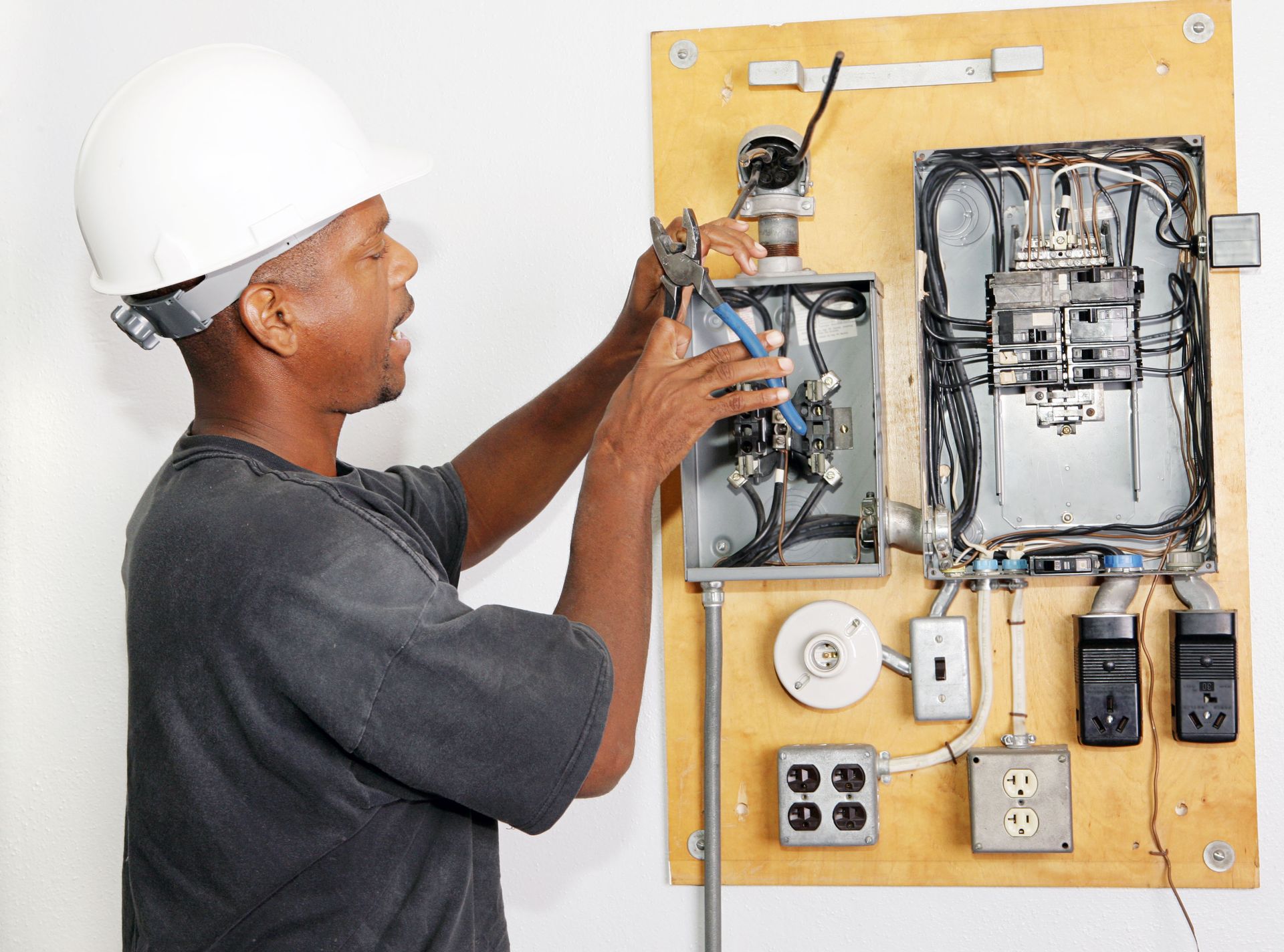
The electrical panel serves as the primary distribution point for all the electricity entering your home from the utility grid. Think of it as a sophisticated traffic controller that takes a massive amount of incoming voltage and divides it into smaller, manageable streams called branch circuits. These circuits deliver power to specific areas of your house, such as the kitchen, the bedrooms, or the laundry room. Without this central hub, your appliances would be subject to unregulated power surges that could cause irreparable damage. The panel ensures that each area of your home receives exactly the amount of energy it needs to operate safely without overtaxing the wires hidden behind your walls.
Evaluating the Role of Circuit Breakers
Inside that central electrical panel, you’ll find rows of individual switches known as circuit breakers. These devices act as safety valves designed to protect your home from electrical fires and equipment failure. A breaker’s primary job is to monitor the flow of electricity through a specific circuit; if the current exceeds a predetermined level, the breaker automatically flips to the "off" position, instantly cutting the power. This "tripping" mechanism is a crucial defense against short circuits and overloads. Instead of allowing the wires to overheat and potentially ignite, the breaker sacrifices the convenience of immediate power to ensure the structural integrity of your home remains intact. It’s a simple mechanical solution to a potentially high-stakes problem.
Identifying the Causes of Tripped Breakers
When a breaker trips in your electrical panel, it’s usually for one of three reasons: an overloaded circuit, a short circuit, or a ground fault. An overload occurs when you try to draw more power than a circuit is designed to handle, such as running a high-wattage space heater and a vacuum cleaner on the same line. A short circuit is more serious, occurring when a "hot" wire touches a neutral wire, causing a sudden and dangerous spike in current. Finally, a ground fault happens when electricity finds an unintended path to the ground. Recognizing these distinctions helps you communicate more effectively with a technician and ensures that the root cause of the power loss is addressed rather than just reset. You don't want to just keep flipping a switch that's trying to tell you something is wrong.
Calculating the Impact of Heavy Appliances
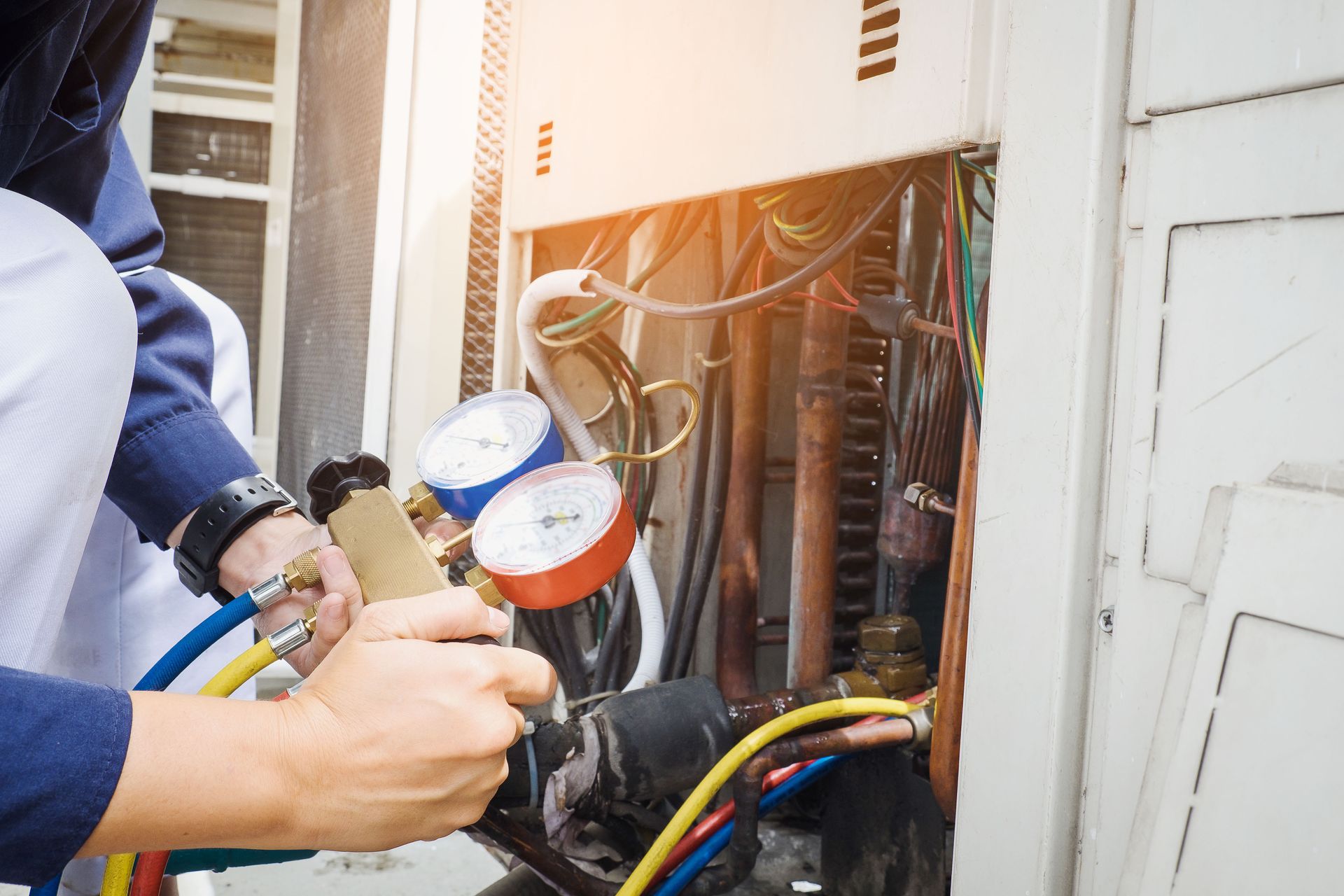
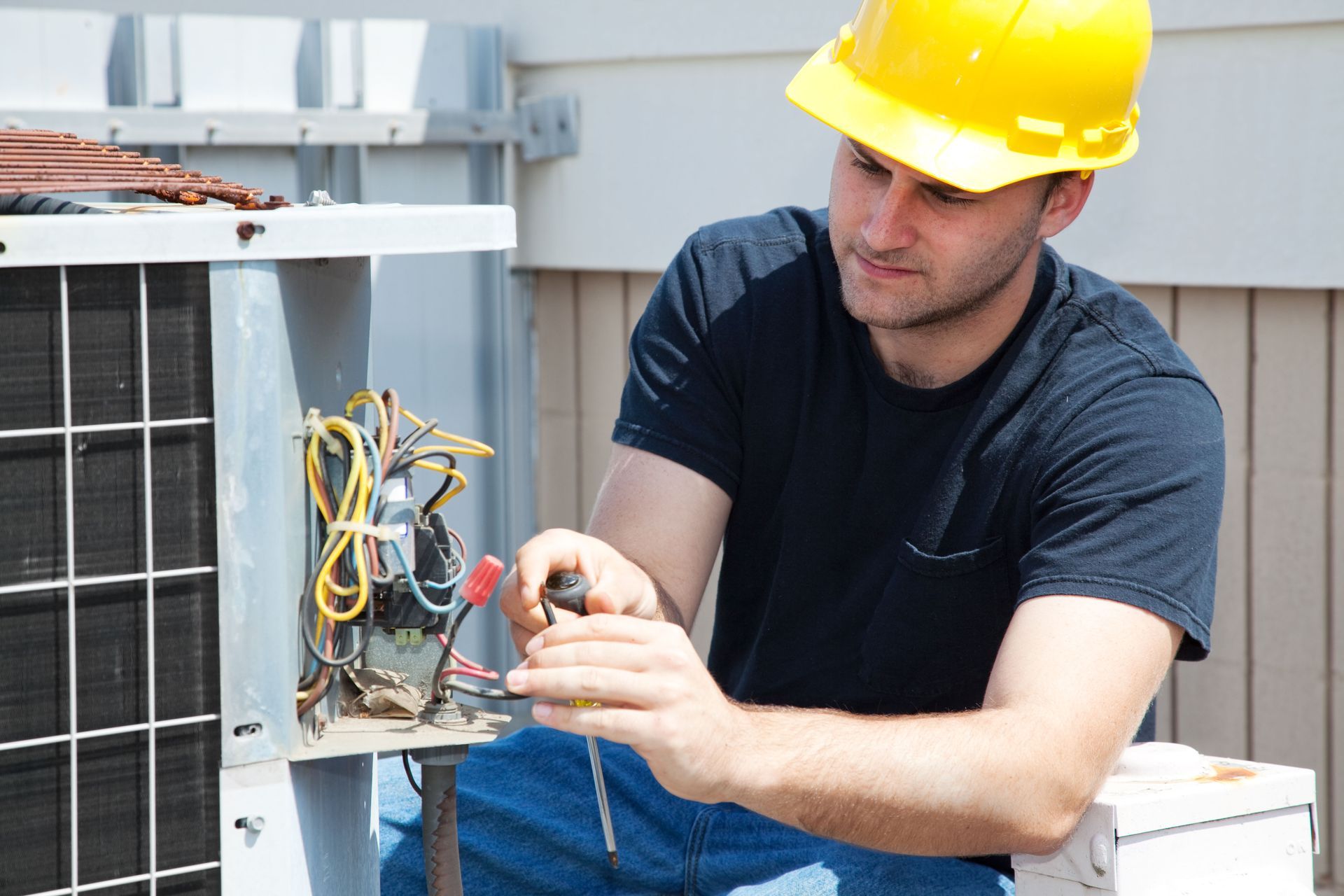
It’s important to consider which devices place the most significant strain on your system. According to Energy Saver, in the U.S., roughly 6% of all produced electricity is used to power air conditioning systems. Because these cooling systems require such a massive amount of energy to start and maintain their cycles, they often have their own dedicated breakers within the electrical panel. During the peak of a Texas summer, your HVAC system is working overtime, and if your electrical infrastructure is outdated, this high demand can lead to frequent tripping or even scorched components. Ensuring your panel is rated to handle the heavy load of modern air conditioning is a key step in preventing unexpected outages during the hottest months of the year when you need cooling the most.
Spotting the Signs of Panel Wear
Like any mechanical system, an electrical panel isn't meant to last forever, and it'll eventually show signs of age or fatigue. You should be on the lookout for physical symptoms like buzzing sounds, a lingering smell of ozone or burning plastic, or visible corrosion on the breakers themselves. If you notice that your lights flicker when the refrigerator kicks on, or if the panel feels warm to the touch, these are urgent indicators that the internal connections are failing. Ignoring these warnings can lead to "arcing," where electricity jumps across gaps in damaged wiring, creating intense heat that is a leading cause of residential electrical fires.
Assessing the Benefits of Modern Upgrades
Upgrading your home’s power center offers more than just peace of mind; it increases the overall capacity and value of your property. Older homes were often built with 60-amp or 100-amp service, which was sufficient for a time when families owned fewer electronic devices. Today, with electric vehicles, high-end kitchen suites, and sophisticated home theaters, a 200-amp service has become the modern standard. By investing in a contemporary electrical panel, you gain the ability to add new circuits without the risk of overloading the system. Modern panels also feature advanced safety technologies like Arc Fault Circuit Interrupters (AFCI) and Ground Fault Circuit Interrupters (GFCI), which provide a much higher level of protection than the equipment available just a few decades ago. It’s an investment in your home's future and your family's safety.
Maintaining the Safety of Your System
Keeping your home safe requires a combination of professional oversight and personal vigilance. You can perform simple checks by ensuring the area around your panel is clear of clutter and that every breaker is clearly labeled so you know exactly which switch controls which room. However, you should never attempt to remove the cover or tighten internal lugs yourself, as the high voltage inside can be lethal even when individual breakers are turned off. Establishing a relationship with a licensed professional ensures that your system receives the specialized care it needs. Routine maintenance not only extends the life of your appliances but also ensures that your family stays safe from the hidden hazards of an aging or faulty electrical infrastructure that many homeowners ignore until it's too late.
Verifying the Stability of Your Connections
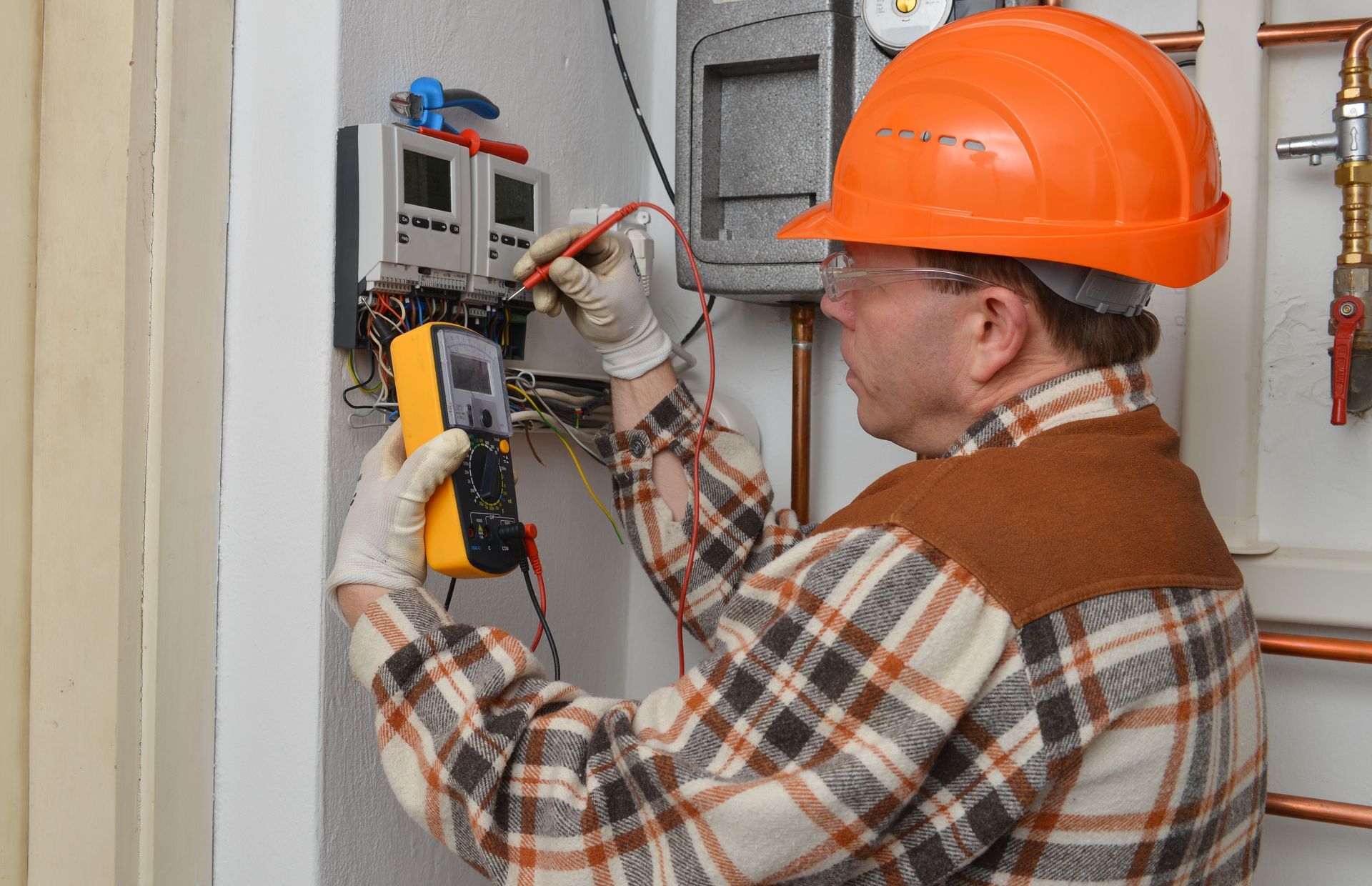
Beyond the breakers themselves, the physical integrity of the wiring inside the box matters immensely. Over time, the constant heating and cooling of wires as they carry electricity can cause connections to slightly expand and contract, leading to loose lugs. A loose wire creates resistance, which in turn generates more heat, potentially damaging the bus bar or the breaker itself. This is why a professional check-up is so valuable; a technician can safely use thermal imaging or manual checks to ensure everything is torqued to the correct specifications. When your connections are tight and the interior of the box is clean, the risk of a catastrophic failure drops significantly.
Your journey toward a safer home begins with a basic understanding of how energy is managed and distributed. From the moment power enters your electrical panel to the second it reaches your bedside lamp, a series of complex safety mechanisms are working to protect you. By respecting the limits of your circuits and staying alert to the signs of mechanical failure, you can avoid the frustration of frequent power losses and the danger of electrical fires. Remember that your electrical system is the heartbeat of your home, and keeping it healthy is one of the most important aspects of property ownership. For expert assistance with your HVAC or electrical needs, contact AirBoss LLC.