June 3, 2026
In an era where technological advancements shape our way of life, the importance of electrical safety during air conditioning system upgrades cannot be overstated. AC companies recognize that their commitment to safety is pivotal, not only in safeguarding their technicians and customers but also in ensuring the longevity and reliability of their systems. This focus on electrical safety addresses key areas, including compliance with legal standards, hazard prevention, and the integration of advanced technologies. This article delves into the compelling reasons behind this prioritization, illustrating the critical impact of electrical safety measures on overall system performance and customer satisfaction.
Improving Electrical Safety Standards
Preventing Electrical Hazards
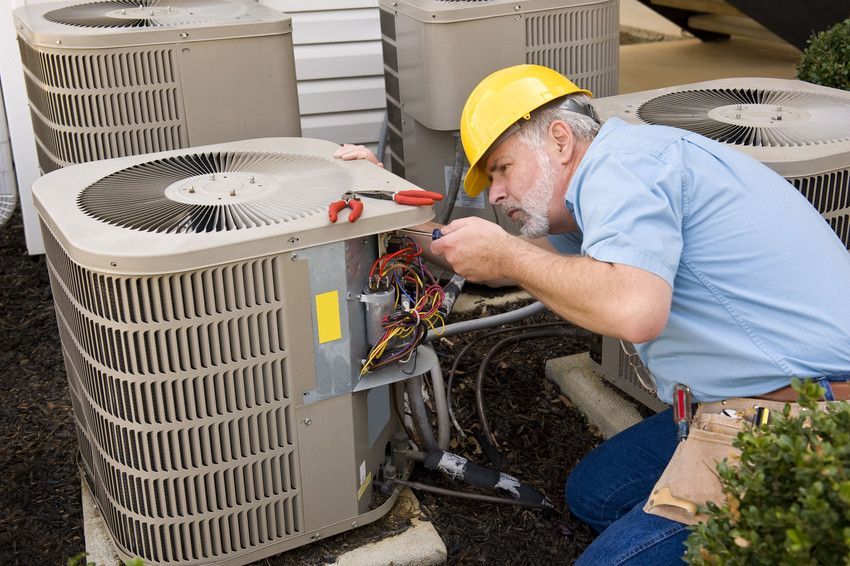
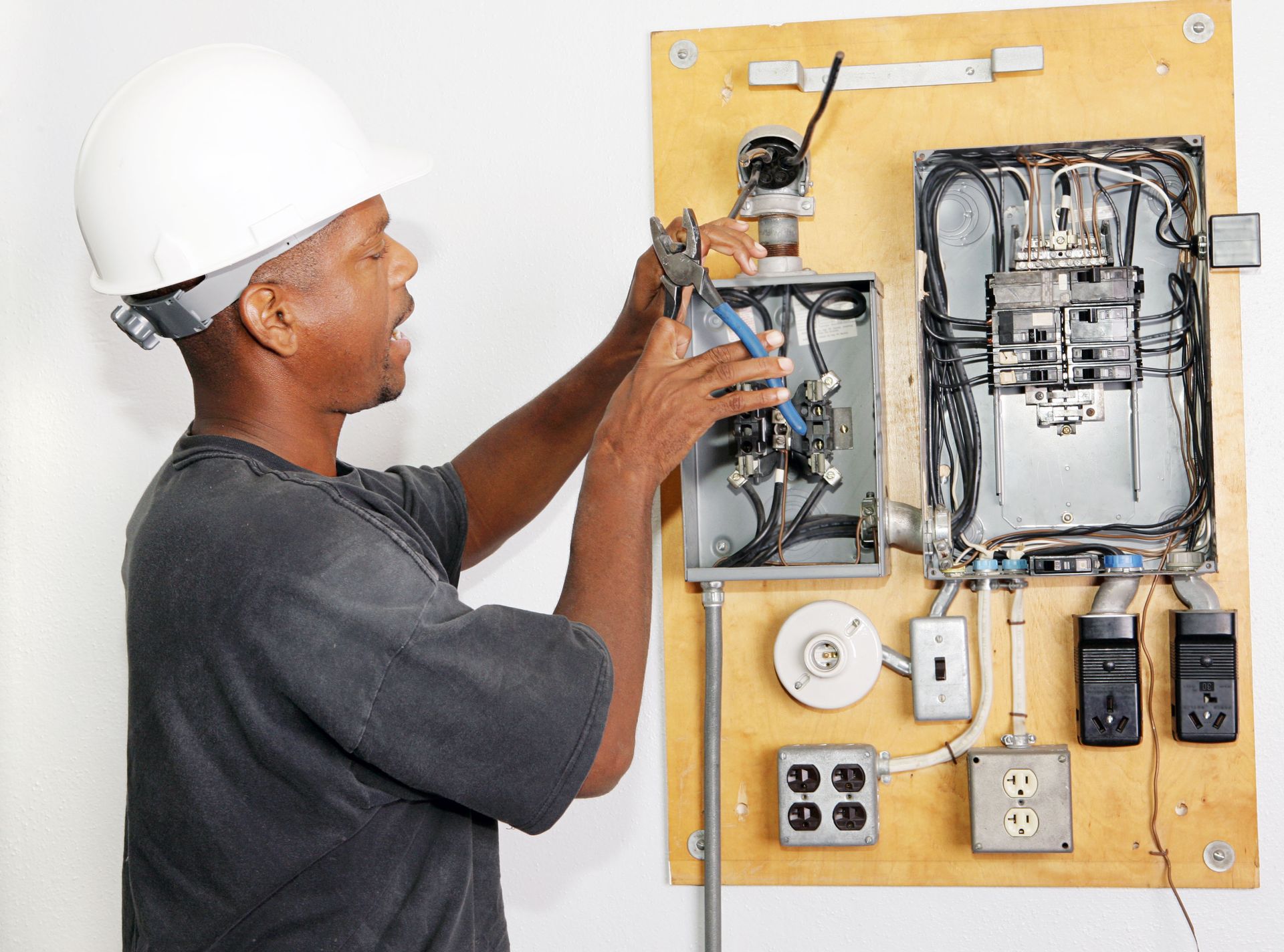
Electrical hazards pose a significant risk during air conditioning system upgrades, requiring rigorous preventive measures. AC companies invest heavily in safety protocols to mitigate risks such as electrical fires, short circuits, and overloads. These risks are particularly prevalent when systems are upgraded without adequate consideration of electrical demands and capacities, emphasizing the need for thorough planning and analysis. Companies conduct risk assessments to identify potential vulnerabilities and implement proactive measures to address them before they become real-world problems. In doing so, they prevent accidents that could otherwise result in severe injuries or extensive property damage.
Preventing electrical hazards also contributes to a contractor's reputation and trustworthiness. Customers will want assurances that service providers prioritize safety, as this directly correlates with the reliability and efficiency of the installed systems. Moreover, investing in preventive measures can reduce liability insurance costs, as companies with low rates of safety lapses are viewed favorably by insurers. Ultimately, taking steps to avert electrical hazards aligns with industry best practices, reinforcing a company’s credibility while delivering peace of mind to customers. This proactive stance is a testament to the accountability and dedication to safety that AC companies consistently uphold.
Regulatory compliance is closely intertwined with hazard prevention efforts, as companies must adhere to stringent safety standards or face potential legal sanctions. The legal framework governing electrical safety in HVAC systems includes specific codes and standards that are designed to minimize risk to both installers and users. By adhering to these regulations, companies not only avoid penalties but also reinforce the validity and quality of their services. Contractors will take an uncompromising approach to compliance, implementing rigorous internal audits and leveraging external certification bodies to verify alignment with all applicable safety statutes. This commitment safeguards their operations against both the financial and reputational damage that can accompany regulatory non-compliance.
Ensuring Equipment Longevity
Proper electrical practices play a fundamental role in extending the lifespan of air conditioning systems, a factor that top companies prioritize in their service offerings. According to This Old House, 240-volt circuits are typically used for larger appliances, like air conditioners. This ensures that air conditioning units deliver consistent performance over prolonged periods, minimizing the frequency and cost of repairs or replacements. The integration of state-of-the-art components designed to endure various electrical demands further underpins system resilience, promoting operational stability and durability.
The longevity of AC equipment directly influences customer satisfaction and loyalty, as homeowners and businesses value systems that function optimally and without disruption. AC companies recognize that neglected electrical safety can lead to premature component failure and malfunctions, undermining customer trust and establishing negative perceptions. By meticulously addressing these concerns through high-quality installations and timely maintenance, companies foster strong relationships with clients who appreciate the tangible benefits of reliable, long-lasting systems. The strategic emphasis on electrical safety thus becomes a key differentiator in a competitive market, attracting discerning customers who prioritize value and dependability.
Moreover, equipment longevity is closely tied to environmental sustainability, as resilient systems help reduce resource consumption and waste generation. Contractors who prioritize electrical safety help lower their environmental footprint by promoting systems that remain operational for extended periods without frequent replacements. This aligns with broader industry trends toward eco-friendly practices and sustainable development, as companies endeavor to meet consumer demand for green solutions. In this context, the focus on electrical safety aligns with a holistic approach to sustainability, where longevity, efficiency, and environmental responsibility converge to deliver comprehensive benefits to clients and the planet alike.
Complying With Regulations
Compliance with electrical safety regulations is a cornerstone of the operational strategies employed by AC companies during system upgrades. Industry standards and municipal codes dictate stringent requirements regarding installation practices, materials used, and overall system integrity. These regulations aim to protect consumers while ensuring that HVAC systems are both energy-efficient and safe. By adhering to these guidelines, companies not only mitigate potential legal repercussions but also enhance their service quality. Regular audits and continuous training ensure that all practices remain aligned with evolving standards, reiterating the company's dedication to regulatory compliance.
AC companies invest in robust compliance frameworks to navigate the complex regulatory landscape governing electrical safety. They utilize specialized teams tasked with interpreting the latest standards and integrating these into their operational processes. This approach reduces the risk of non-compliance, which can lead to substantial fines and damage the company's reputation. Proactively addressing compliance also offers a competitive advantage, as clients are more likely to trust service providers that demonstrate a clear commitment to upholding industry standards. Such diligence not only safeguards the company but also drives trust in their customer relations, reinforcing their market position.
Regulatory compliance in electrical safety enhances system performance and user safety, laying the foundation for reliable, effective upgrades. Top companies understand the ramifications of failing to meet required standards, as such oversights can lead to hazardous situations and potential legal liabilities. By rigorously adhering to regulatory mandates, they ensure that electrical installations and upgrades proceed without incident. This meticulous approach builds customer confidence and facilitates the smooth operation of HVAC systems, minimizing disruptions and enhancing overall customer satisfaction and loyalty.
Avoiding Safety Lapses
Neglecting electrical safety during AC system upgrades can lead to significant financial repercussions for both service providers and end users. For companies, the cost of addressing safety failures—be it through product recalls, repairs, or legal liabilities—can be profound, impacting profit margins and overall financial performance. Safety lapses often result in substantial reputational damage, as customer trust is arduous to rebuild once compromised. Ensuring robust safety measures is thus deemed an essential investment, shielding companies from the financial instability associated with accident-prone operations. Moreover, industry data suggests a correlation between safety-focused practices and improved insurance terms, thereby further enhancing a company's financial resilience.
For customers, a lack of attention to electrical safety creates vulnerabilities that lead to higher maintenance and repair costs. Faulty installations may necessitate frequent interventions to rectify issues that could have been preempted through comprehensive safety evaluations. Moreover, electrical failures can cause collateral damage to property and adjacent systems, amplifying the overall financial burden borne by the user. In stark contrast, aligning with contractors that embrace rigorous safety protocols avoids such financial ramifications, ensuring customers receive reliable, cost-effective service.
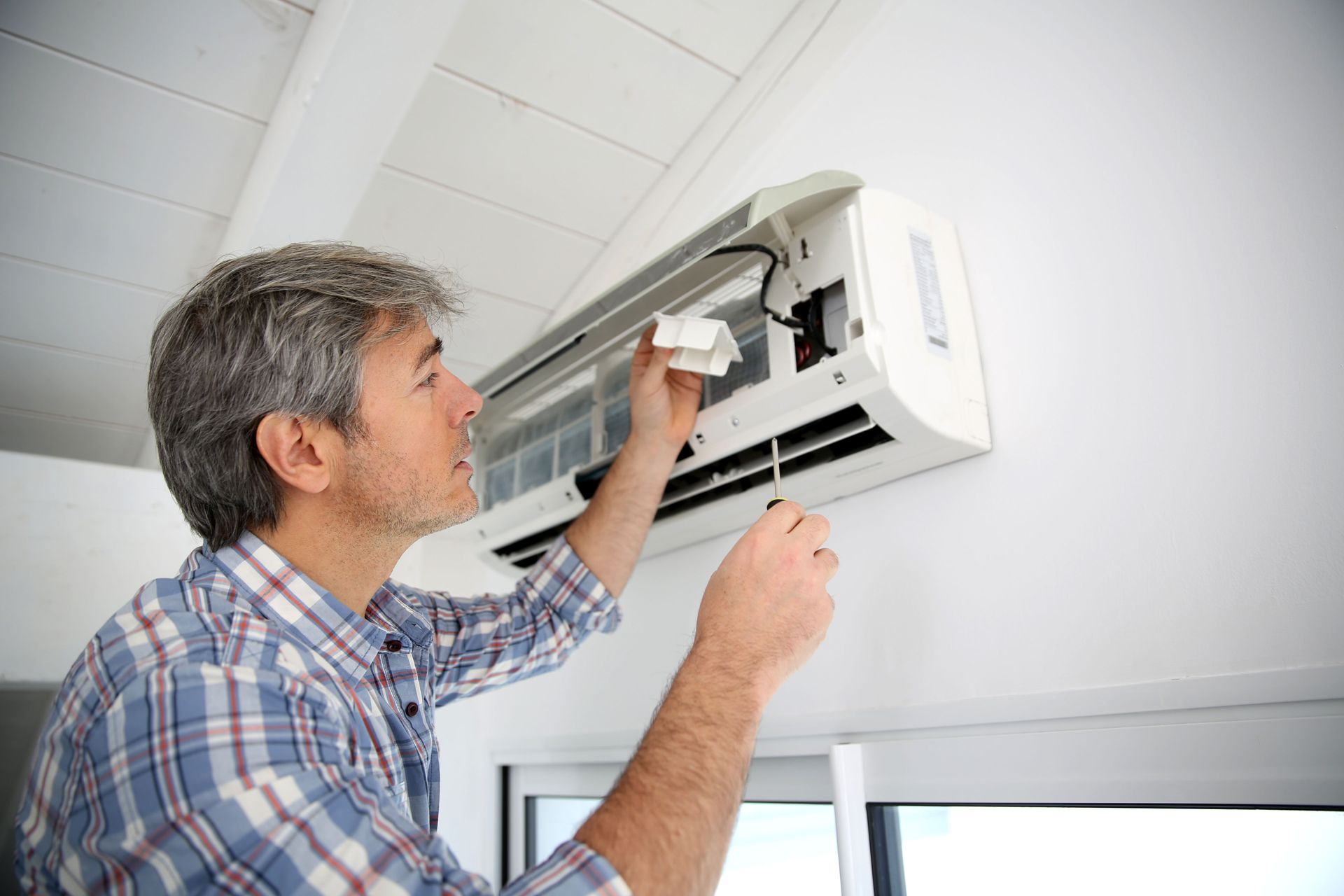
Electrical safety should always remain a top priority when upgrading or servicing HVAC systems. Reputable
AC companies understand that proper installation, ongoing maintenance, and strict adherence to safety standards are essential for protecting both property and people while maximizing system performance and longevity. By choosing a trusted provider like Airboss LLC, homeowners and businesses can feel confident knowing their air conditioning systems are handled with professionalism, safety, and long-term reliability in mind.