June 11, 2026
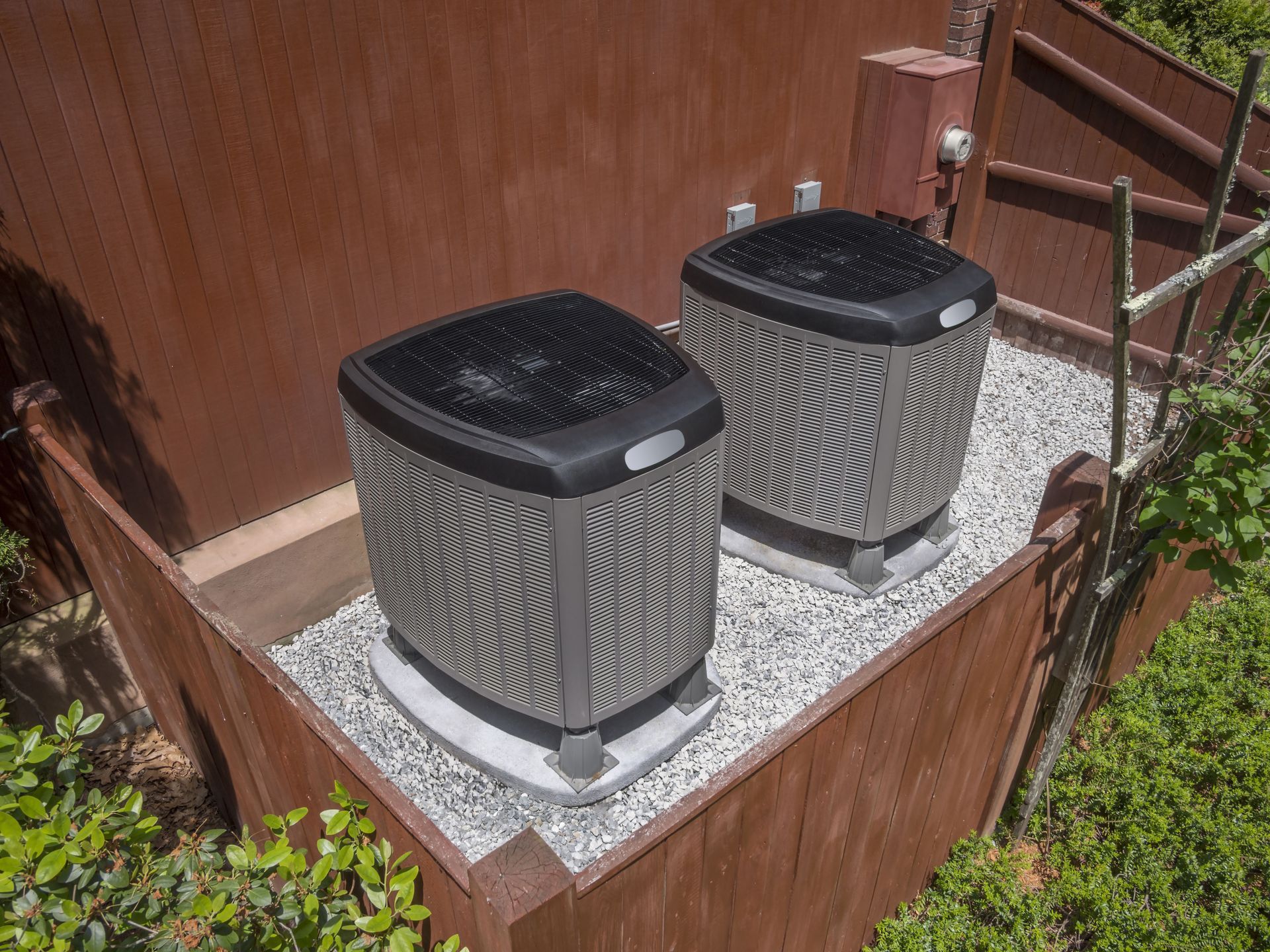
Understanding the importance of maintaining your HVAC system is crucial for longevity. Regular servicing and timely HVAC repair can significantly extend equipment life, improve efficiency, and reduce the likelihood of costly replacements. HVAC systems are responsible for heating, cooling, ventilation, and indoor air quality, making them essential for year-round comfort. These systems rely on multiple components working together, including furnaces, air conditioners, thermostats, ductwork, filters, and vents. When one component begins to malfunction, the entire system can experience reduced performance.
Signs that indicate a problem may include unusual noises, inconsistent temperatures, rising utility bills, weak airflow, strange odors, or frequent cycling. Addressing these issues early prevents additional strain on the system and helps maintain dependable operation. Prompt HVAC repair can often correct minor issues before they develop into major mechanical failures.
The Importance of Routine Maintenance
Routine maintenance plays a vital role in protecting HVAC equipment. Scheduled inspections allow technicians to identify worn components, refrigerant leaks, electrical concerns, and airflow restrictions before they lead to larger problems. Consistent maintenance also helps ensure that all components operate efficiently, reducing energy consumption and extending system life.
One of the most important maintenance tasks is replacing air filters regularly. Dirty filters restrict airflow, forcing the system to work harder to maintain desired temperatures. This increased workload can accelerate wear and tear while reducing indoor air quality. Clean filters improve airflow, help remove airborne contaminants, and contribute to healthier indoor environments.
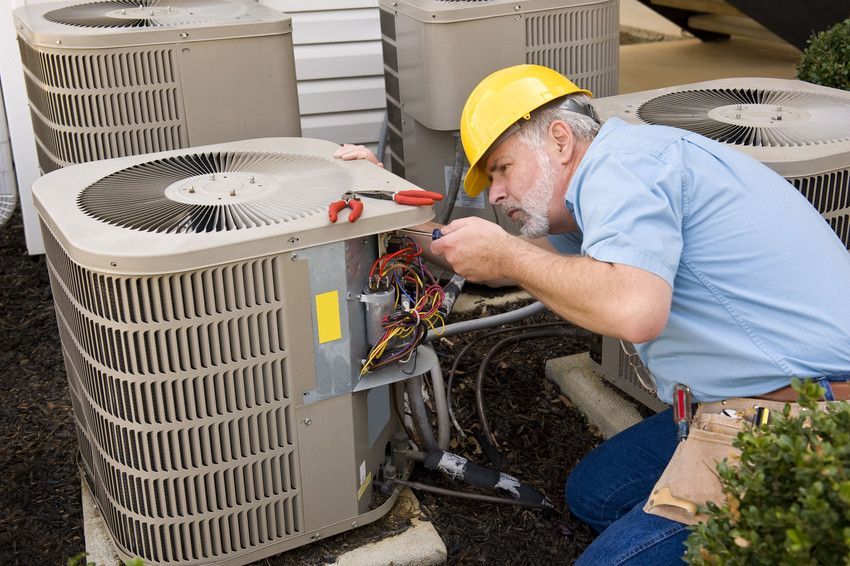
Seasonal tune-ups provide another layer of protection. During these visits, technicians inspect electrical connections, clean critical components, verify refrigerant levels, and evaluate system performance. Completing these services before peak heating and cooling seasons helps reduce the risk of unexpected breakdowns during extreme weather conditions.
How Repairs Improve System Longevity
Timely HVAC repair is one of the most effective ways to maximize equipment lifespan. Small issues such as thermostat malfunctions, clogged drain lines, worn belts, or minor refrigerant leaks can create significant strain on other system components. Left unresolved, these problems often lead to larger and more expensive failures.
Addressing concerns quickly minimizes operational stress and helps prevent compounded damage. For example, poor airflow can contribute to overheating, while low refrigerant levels can force cooling equipment to run longer than necessary. Correcting these issues promptly allows the system to operate under normal conditions and reduces unnecessary wear.
Repairs also contribute to reliability. A system that receives consistent attention is less likely to experience sudden breakdowns, providing homeowners with greater peace of mind and uninterrupted comfort throughout the year.
Improving Energy Efficiency Through Repairs
Energy efficiency is a major concern for homeowners, and repairs often play a significant role in reducing utility costs. Problems such as duct leaks, faulty thermostats, dirty coils, and refrigerant issues can cause HVAC equipment to consume more energy than necessary. Correcting these deficiencies improves performance while lowering monthly operating expenses.
Proper airflow is especially important for efficiency. Blocked vents, clogged filters, and damaged ductwork can prevent conditioned air from reaching intended areas. Repairs that restore airflow help maintain consistent temperatures while reducing strain on motors and other critical components.
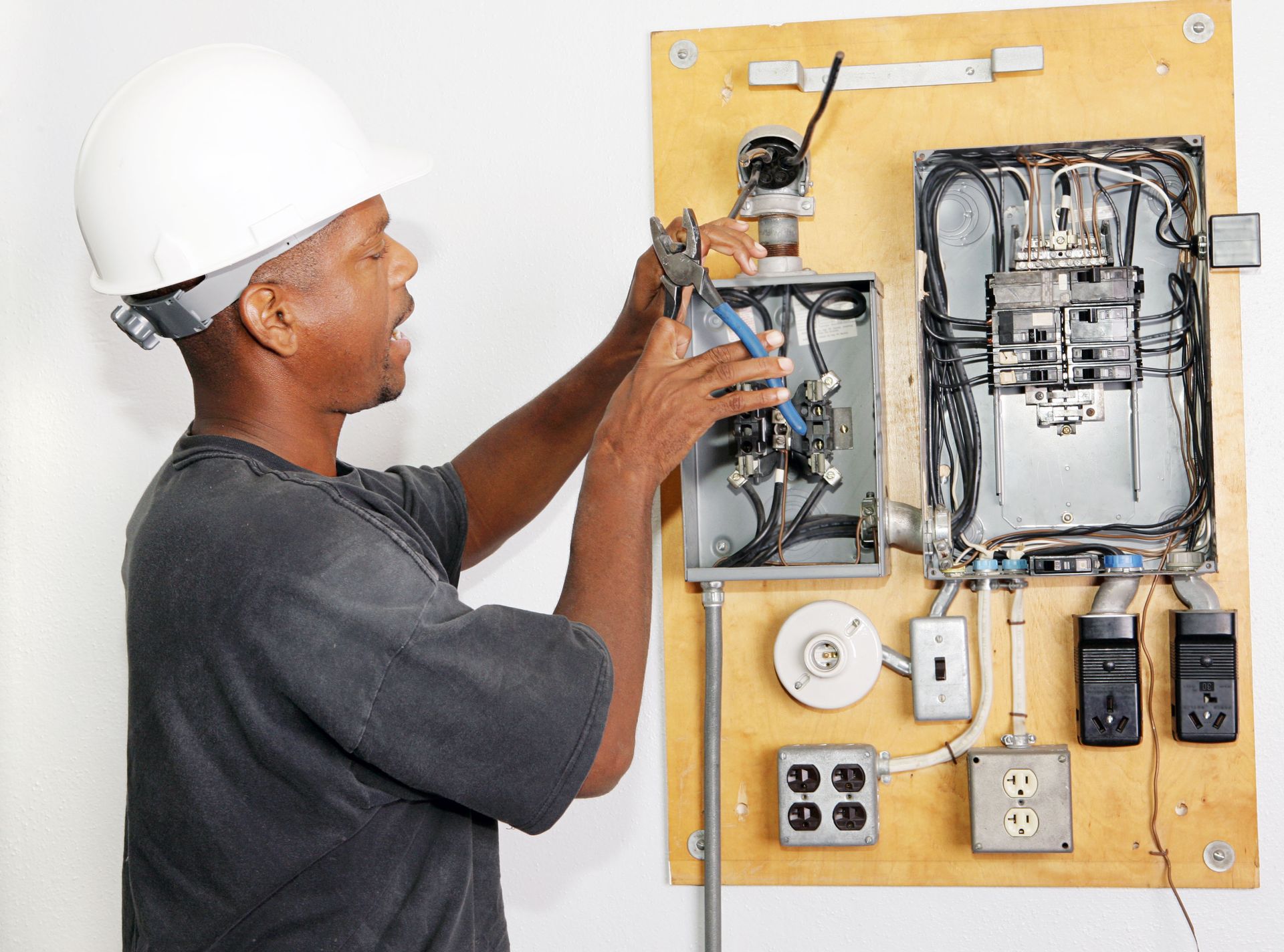
Electrical issues can also negatively affect performance. Faulty wiring, failing capacitors, and malfunctioning control systems may reduce efficiency while creating potential safety concerns. Professional repairs ensure these problems are corrected safely and effectively.
Common HVAC Problems Homeowners Face
Several HVAC problems occur frequently in residential systems. Thermostat issues can lead to inaccurate temperature readings and uneven comfort levels. Refrigerant leaks can reduce cooling performance and increase energy use. Compressor problems may affect the system's ability to cool effectively, while duct leaks can allow conditioned air to escape before reaching occupied spaces.
Noisy operation is another common concern. Rattling, grinding, buzzing, or squealing sounds often indicate loose or damaged components that require attention. Ignoring these warning signs can result in more extensive damage and higher repair costs over time.
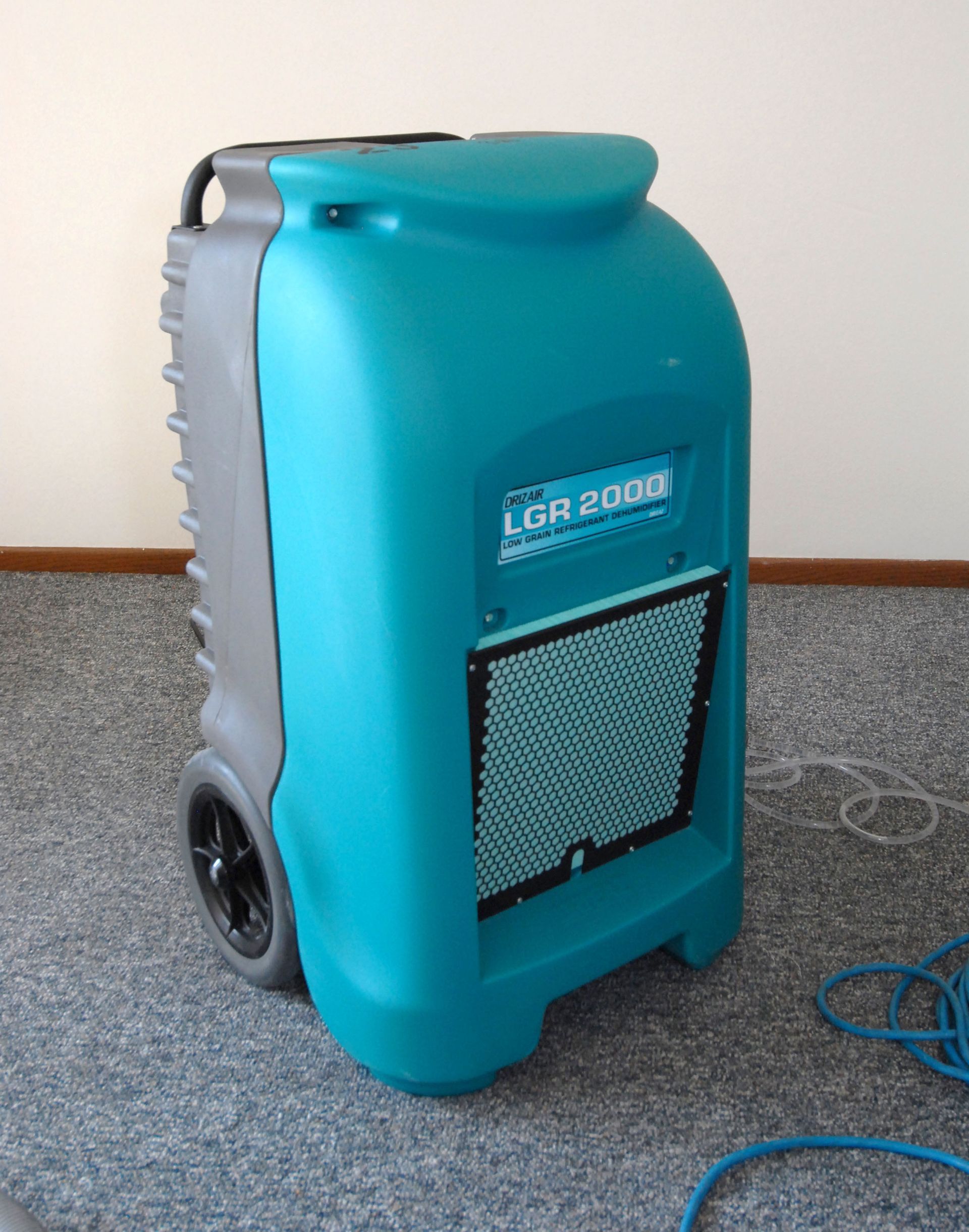
Humidity control issues may also signal underlying HVAC concerns. Excess moisture can encourage mold growth, while insufficient humidity may create discomfort. Timely HVAC repair helps restore proper humidity levels and supports a healthier indoor environment.
The Value of Professional Service
While homeowners can perform basic maintenance tasks such as replacing filters and keeping outdoor units clear of debris, many repairs require professional expertise. Refrigerant handling, electrical diagnostics, compressor repairs, and airflow evaluations demand specialized training and equipment.
Professional technicians provide accurate diagnostics that help identify the root cause of system issues. Rather than treating symptoms alone, experienced specialists can recommend solutions that improve long-term performance and reliability. Their expertise often helps homeowners avoid unnecessary expenses by addressing problems correctly the first time.
Choosing a qualified HVAC professional is essential. Certifications, experience, positive customer reviews, and strong industry knowledge are all important factors to consider when selecting a service provider.
Repair Versus Replacement
At some point, homeowners may need to decide whether repairing or replacing an HVAC system is the better investment. Factors such as equipment age, repair frequency, energy efficiency, and overall condition should all be evaluated. In many cases, HVAC repair remains the most cost-effective solution when the system is relatively new and the issue is isolated.
However, older systems that experience recurring failures may benefit from replacement. A professional evaluation can help determine which option offers the greatest long-term value based on performance expectations and operating costs.
The Financial Benefits of Proactive System Care
Many homeowners focus on HVAC expenses only when a breakdown occurs, but proactive maintenance and repairs often produce substantial long-term savings. A system operating efficiently requires less energy to maintain comfortable indoor temperatures, which can reduce monthly utility costs throughout the year. Small investments in preventative care are often significantly less expensive than emergency service calls, major component replacements, or complete system failures.
Well-maintained systems also tend to retain their value longer. When equipment receives consistent professional attention, components remain in better condition and are less likely to experience premature wear. This can delay replacement costs for several years, allowing homeowners to maximize their investment. In addition, documented maintenance records may be beneficial when selling a home because they demonstrate responsible ownership and proper care of major mechanical systems.
Indoor Air Quality and Comfort Considerations
Beyond heating and cooling performance, HVAC systems play an important role in maintaining indoor air quality. Dust, pollen, pet dander, mold spores, and other airborne particles can circulate throughout a home when filters and system components are not properly maintained. Regular inspections and cleaning help reduce the accumulation of these contaminants while supporting healthier indoor conditions.
Comfort is also influenced by balanced airflow and consistent temperature control. Rooms that feel too hot, too cold, or excessively humid may indicate underlying system issues. Proper maintenance helps ensure conditioned air is distributed evenly throughout the home, creating a more comfortable living environment. Consistent airflow and humidity management can also protect furnishings, flooring, and other interior materials from moisture-related damage.
Maintaining an HVAC system through regular inspections, preventative maintenance, and prompt HVAC repair helps maximize equipment lifespan, improve efficiency, and reduce operating costs. Addressing problems early prevents unnecessary wear, improves reliability, and supports consistent indoor comfort. According to the U.S. Bureau of Labor Statistics, employment opportunities for HVAC professionals are projected to grow by 8 percent from 2024 to 2034, highlighting the continued importance of these systems. Investing in proper care today helps ensure dependable heating, cooling, and indoor air quality for years to come. Contact AirBoss LLC today and learn more about our HVAC repair services